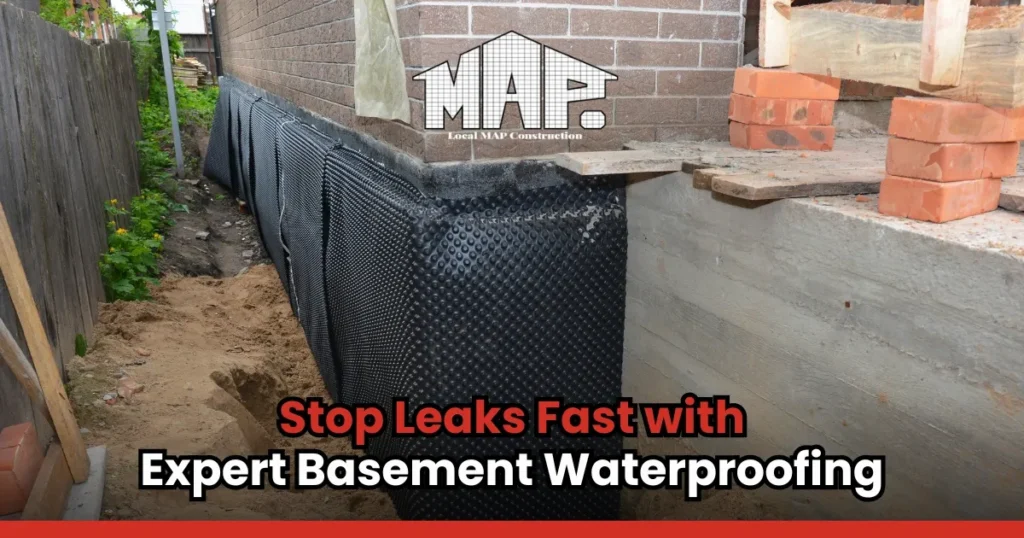
Basement waterproofing is the process of protecting your basement from water intrusion and moisture issues that can weaken foundation walls over time. It involves using drainage systems, sealants, and waterproofing membranes to redirect or block water from entering. Professionals often install sump pumps, French drains, or drain tile systems to collect and channel water away from your home. Waterproofing can be applied inside or outside the basement to stop water infiltration and maintain structural integrity. A well-done waterproofing system protects your home’s foundation and prevents long-term structural damage.
What Causes Basement Leaks and Moisture?
Basement leaks often start small but can turn into serious problems if ignored. Several factors lead to water in your basement, from poor drainage systems to cracks and hydrostatic pressure pushing moisture through foundation walls. Understanding these causes helps homeowners take the right steps to prevent recurring leaks and protect their investment. Here are the common causes of basement leaks and moisture.
Poor Drainage
Improper drainage systems around your home allow rainwater to pool near the foundation walls. When water collects close to the structure, it seeps through small gaps or cracks, leading to water infiltration. Installing French drains, storm drain pipes, or a proper gutter system helps divert excess water away from your foundation. Keeping gutters clean and extending downspouts can also reduce the risk of ground saturation.
Foundation Cracks
Even tiny foundation cracks can invite basement water and weaken masonry foundations. These cracks may develop due to high water tables, soil movement, or natural settling. Professional foundation waterproofing involves foundation crack injections using hydraulic cement or silicone caulk to fill and seal damaged areas. Fixing cracked walls early prevents moisture from spreading and causing structural deterioration.
Hydrostatic Pressure
When hydrostatic pressure builds up around your home, it forces water through porous concrete sealer or weak points in your basement walls. This happens when ground saturation increases during heavy rains or rising water tables. Using a drain tile system, weep holes, or footer channels can relieve pressure and improve water control systems. A balanced drainage setup keeps your foundation stable and prevents long-term structural repair costs.
Faulty Pumps or Gutters
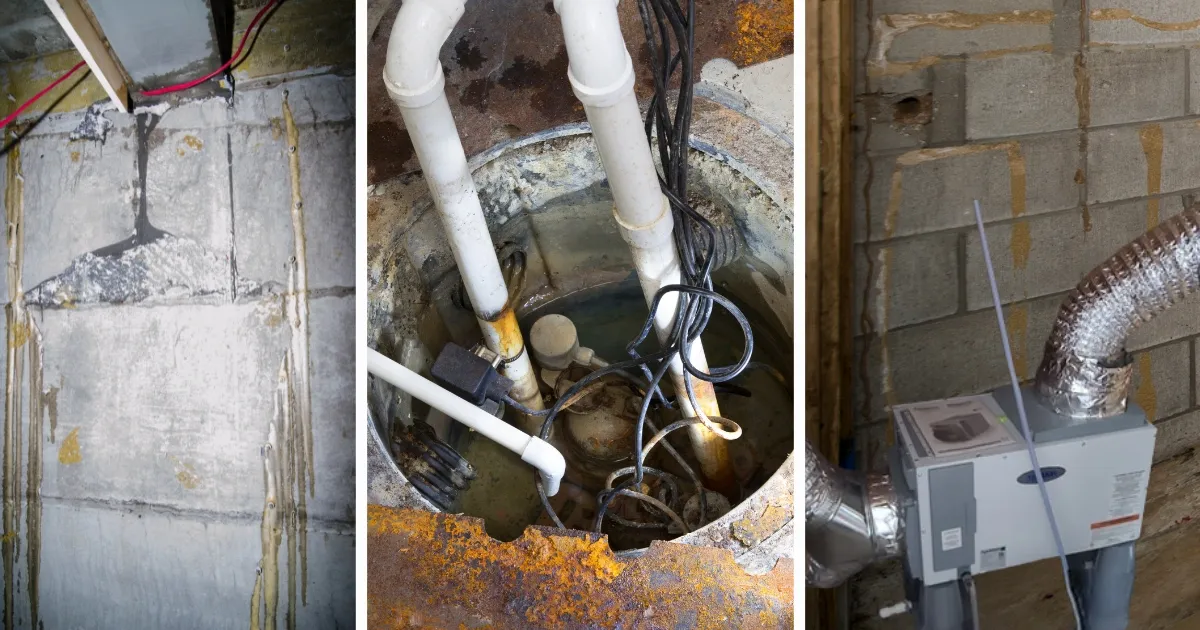
A malfunctioning sump pump installation or a blocked gutter system can trap basement water, creating damp conditions. Over time, these faults lead to mold growth and even foundation issues. Routine inspection of sump pumps, gutters, and downspouts helps prevent water seepage and maintain smooth water flow. Consider backup pumps or interior drainage systems for extra protection during storms or power outages.
How to Know If Your Basement Needs Waterproofing?
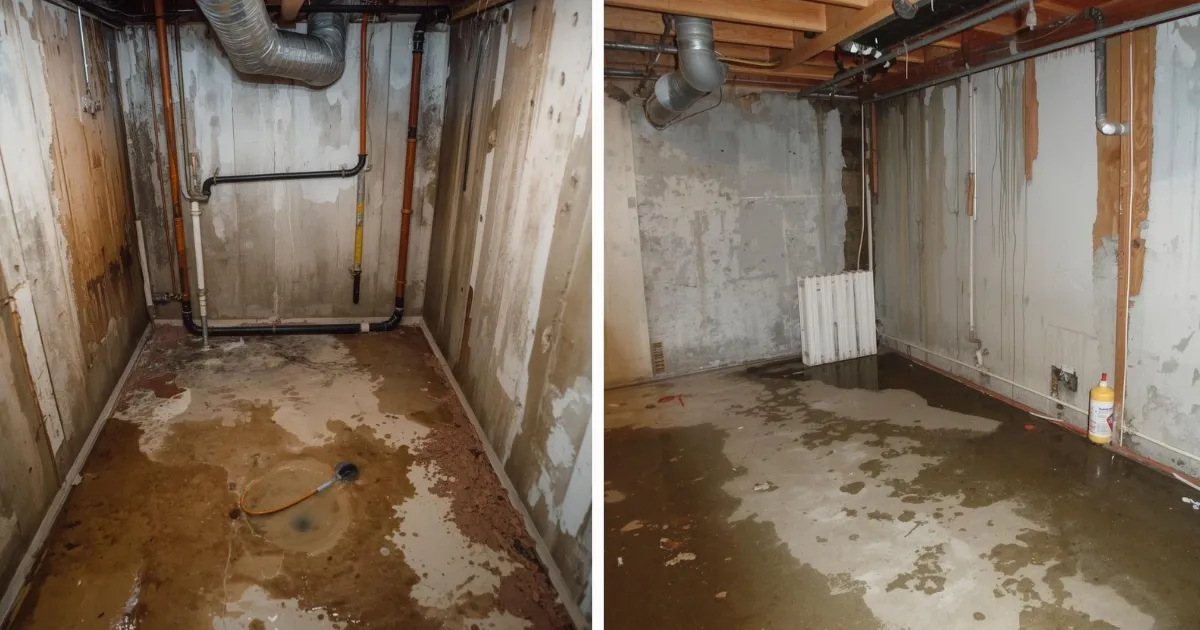
Recognizing early signs of moisture control problems helps avoid expensive fixes later. Watch for changes in smell, wall texture, or visible water traces that point to growing moisture issues. Here are the signs that your basement may need immediate waterproofing attention.
Water Seepage
If you notice water seepage along floor joints or inside corners, it’s time to inspect your waterproofing systems. This moisture can indicate a rise in the water table or failing drainage pipe connections. Adding a sump pump installation or a drain tile system can manage water collection effectively. These effective ways stop water from pooling and protect your foundation walls.
Musty Odor
A persistent musty smell points to hidden water infiltration or mold growth behind the basement wall panels. Moist air increases humidity levels, affecting your home’s air quality. Installing a dehumidifier or scheduling dehumidifier installation reduces excess moisture. Improving ventilation and sealing air leaks can also keep your basement fresh.
Mold Growth
Visible mold growth on basement walls or ceilings suggests ongoing moisture issues. Mold damages surfaces and can pose health risks if ignored. Cleaning affected areas and applying waterproof paint or waterproof masonry cement helps control future spread. Pairing that with interior waterproofing measures creates lasting protection.
Peeling Paint
When paint begins to peel, it’s a sign of trapped water vapor behind the surface. The issue often stems from cracks in the basement walls or joint sealing failures. Applying waterproof mortars, bituminous coatings, or liquid synthetic membranes strengthens below-grade waterproofing. Regular inspection of inside corners and outside corners can stop peeling before it worsens.
What Are the Top Basement Waterproofing Solutions?
Homeowners have several waterproofing solutions to stop water intrusion and keep basements dry. The best approach depends on your foundation type, local soil conditions, and the source of moisture. Here are common methods experts use to protect homes from persistent water damage.
1. Drains & Pumps
Installing sump pumps or interior French drains helps collect and redirect basement water away from your home. These systems include drain ports, drainage pipes, and perforated pipe setups that handle excess flow. Regular sump pump installation and maintenance keep waterproofing systems running smoothly. These devices form the core of any reliable water control system.
2. Crack Repair
Repairing cracks in the foundation prevents water infiltration and future foundation issues. Experts use hydraulic cement, silicone caulk, or foundation crack injections for sealing. Applying concrete sealer or waterproof adhesive creates a watertight barrier. These repairs are crucial for maintaining a strong foundation and waterproofing.
3. Drain Systems
Drainage systems such as drain tile, footer channels, and storm drain pipes remove basement water efficiently. An effective French drain system can reduce hydrostatic pressure and protect against high water tables. Routine cleaning prevents clogging and structural deterioration. Well-designed drains are essential parts of any construction project dealing with waterproofing.
4. Waterproof Membranes
Applying a waterproofing membrane like bentonite sheets or sodium bentonite keeps moisture from seeping through foundation walls. These materials expand upon contact with water, sealing gaps tightly. Liquid synthetic membranes and exterior waterproof coating products offer flexible, durable protection. This method works best in below-grade waterproofing where long-term resistance is needed.
5. Moisture Control
Maintaining proper moisture control through crawl space encapsulation and dehumidifier installation prevents humidity levels from rising. Using waterproof masonry cement, watertight concrete, and crawl space materials supports a dry environment. Sealing cracks and upgrading basement wall panels helps maintain a comfortable space. These steps complement exterior waterproofing and improve home air quality.
How to Keep Your Basement Dry with Expert Maintenance?
Keeping your basement dry starts with regular inspection and proactive care. Check your gutter system, drainage systems, and sump pumps at least twice a year. Seal small cracks in the foundation and test your sump pump installation before storm seasons. Wipe away minor leaks using hydraulic cement and apply waterproof paint where needed. With expert guidance and routine maintenance, your home will stay strong against moisture for years.
Read also: 13 Basement Layout Ideas Designers Don’t Always Share
Frequently Asked Questions
How often should I waterproof my basement?
Experts recommend inspecting your basement waterproofing every few years or after major water damage events. Regular checks keep your waterproofing products working properly. Maintenance helps spot early signs of leaks or structural deterioration.
What’s the difference between interior and exterior waterproofing?
Interior waterproofing focuses on controlling water from the inside using sump pumps and interior drainage systems, while exterior waterproofing protects the foundation walls from the outside. Both prevent water infiltration and moisture issues. The right choice depends on your home’s structure and soil type.
How much does professional basement waterproofing cost?
The cost of basement waterproofing varies based on foundation cracks, waterproofing systems, and labor. Basic crack injections cost less than full foundation waterproofing projects. A consultation helps determine the best option for your budget.
Are dehumidifiers enough to prevent moisture problems?
A dehumidifier installation helps lower humidity levels, but it doesn’t fix water seepage or foundation issues. Combining it with drainage systems or sump pumps gives better long-term results. For best results, address both air quality and water sources.
Does basement waterproofing increase home value?
Yes. Basement waterproofing protects your home from structural damage and improves livable space. Buyers value homes with no signs of water seepage or mold growth. A dry basement signals proper maintenance and adds lasting value.
Wrapping Up
A dry basement is the foundation of a safe, comfortable home. Basement waterproofing keeps your structure strong, protects against water infiltration, and prevents costly structural repair in the future. From installing sump pumps to sealing foundation cracks, every step you take helps protect your investment.
Modern waterproofing systems combine drainage systems, waterproof membranes, and moisture control techniques to keep basements free from water intrusion. Homeowners who invest early in foundation waterproofing and exterior waterproof coating avoid major foundation issues later on. Professional assessment helps you find the best solution for your property’s layout and water table conditions.
At Local Map Construction , our team of professional contractors specializes in effective ways to protect your home and keep every basement dry, healthy, and ready for years of use. Call at 720-635-2941 to schedule your next construction project.
A leaky basement often signals moisture problems that may be quietly spreading through your home. Basement waterproofing helps protect your foundation, improve air quality, and keep your space safe from costly water damage. Many homeowners only notice issues after seeing water seepage, musty smells, or mold growth spreading across basement walls. Acting early can save you from major repairs and help preserve your home’s value. Understanding how water enters your home and learning about effective waterproofing solutions can make a big difference in creating a dry, comfortable, and healthy living space for years to come.
What Is Basement Waterproofing?