A single-family home is where families grow, memories form, and dreams find roots. Many home buyers find comfort in owning a residential property that offers privacy, flexibility, and space to design life their way. Before deciding between different building types or newly built homes, it’s important to understand what makes this choice special. From the timeless charm of single-family detached homes to the practical side of mortgage payments and property taxes, learning the basics helps you make confident decisions. Here’s a closer look at why a single-family home remains one of the most rewarding and personal investments you can make.
What Is a Single-Family Home?
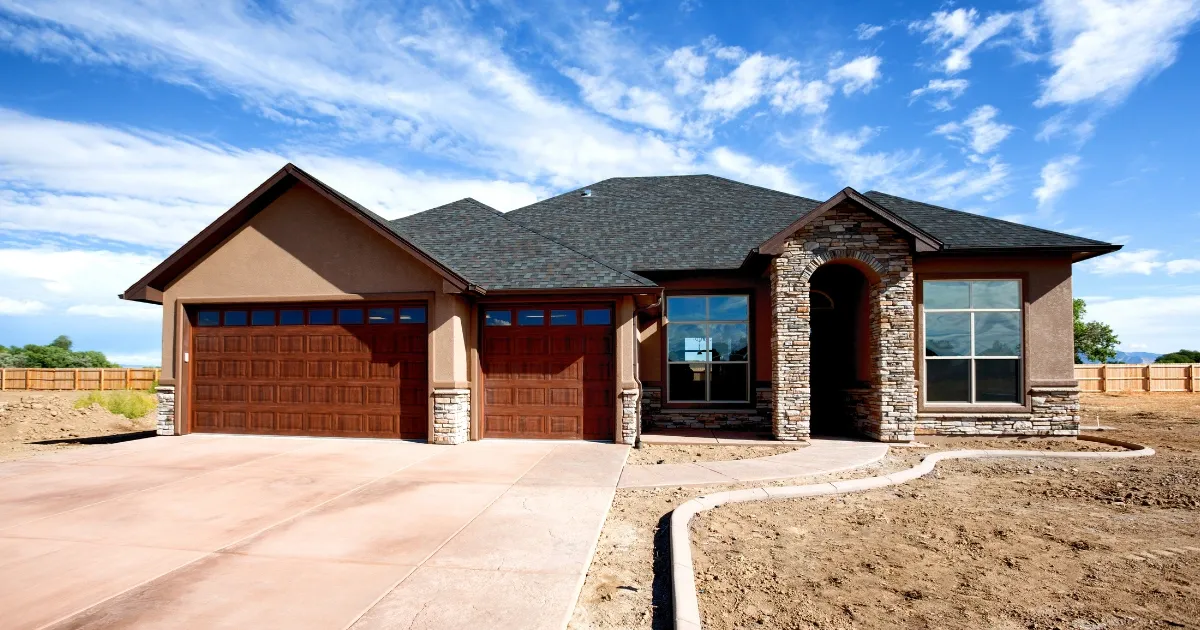
A single-family home is a stand-alone residential property built on its own land, often with private entrances and dedicated utility systems. It’s designed for one nuclear family, unlike multi-family dwellings that house several families under one roof. These homes vary in architectural styles, from ranch homes to patio homes, giving owners full control over design and home maintenance. Most also include outdoor features like yards or patios for added living space. This independence makes single-family houses one of the most desirable building types in the real estate market.
Why Do Homeowners Choose Single-Family Homes?
Many home buyers prefer a single-family home for its comfort, privacy, and sense of ownership. Before leaping, it’s important to understand the top reasons behind this popular choice and how each one impacts your lifestyle and finances.
Privacy and Space
A single-family detached home offers unmatched privacy since it doesn’t share walls with neighbors. This setup creates a peaceful environment where families can enjoy freedom and security. The added average floor area allows for customization and home repair projects over time. This combination of personal space and privacy makes it ideal for growing families or those seeking a forever home.
Family Lifestyle Fit
For families planning their future, single-family houses offer flexibility that multifamily apartments cannot provide. There’s room for play areas, home offices, or even smart home technology installations that match modern routines. Having full control over energy management systems, circadian lighting systems, and air conditioning helps align comfort with efficiency. These homes naturally support a family-oriented lifestyle centered on stability and personalization.
Long-Term Investment Benefits
Buying a single-family home is often viewed as a smart long-term financial move. Its house prices tend to appreciate faster than multi-family properties due to land ownership and individual lot size. Stable mortgage rates, tax deductions from property taxes, and increasing market trends strengthen its investment value. Over time, this type of residential property can yield financial stability while offering pride of ownership.
Should You Build or Buy a Single-Family Home?
Deciding to build or buy depends on your priorities, lifestyle, and financial situation. Both paths offer benefits, but each comes with unique challenges that influence your total construction costs and mortgage payments. Let’s explore how building and buying stack up in today’s housing market.
Benefits of Building
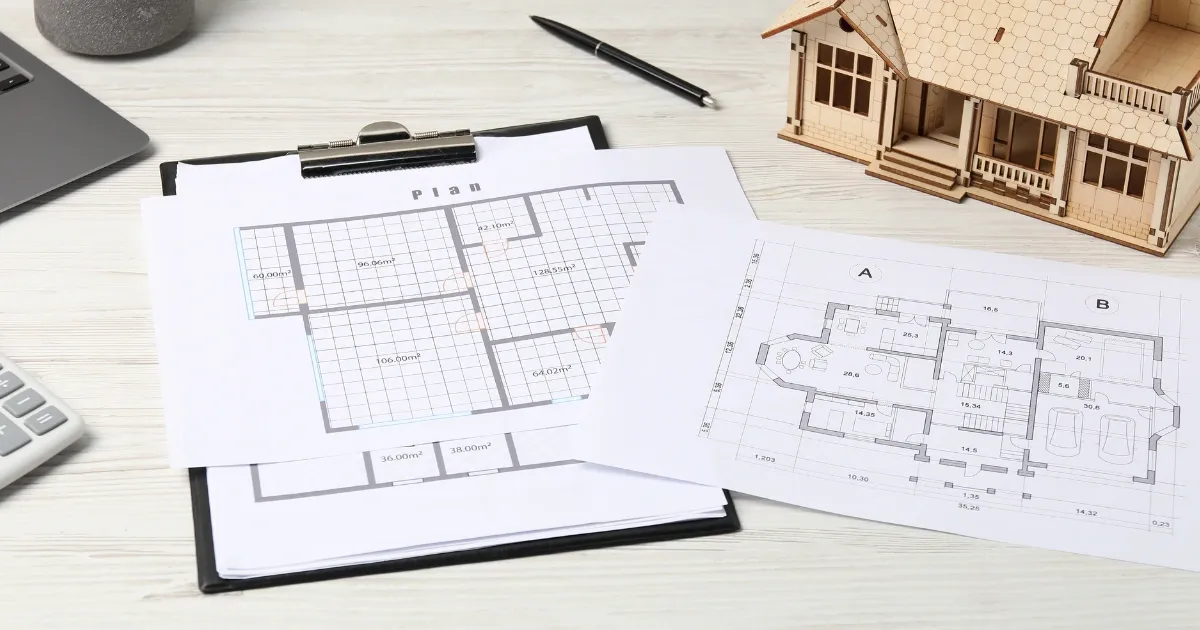
Building a single-family home gives you creative control over layout, design, and accessibility features. You can select modern materials, smart home technology, and energy management systems that fit your lifestyle. It’s also easier to follow zoning regulations and land use law when you start from scratch. While initial construction costs may be higher, the result is a newly built home that fits your family perfectly.
Advantages of Buying
Buying an existing single-family detached home saves time and often costs less upfront. You can find homes in established neighborhoods through MLS number listings or location-based searches. Some properties may already include outdoor features, upgraded utility systems, and home maintenance histories. For buyers looking to settle quickly, purchasing a move-in-ready home can be the most practical choice.
Cost and Value Factors
When comparing building and buying, analyze median price trends and regional economic factors. Construction industry shifts and seasonally adjusted housing market data can affect both house prices and apartment rent prices. Consider ongoing expenses like HOA fees, property taxes, and home repair needs. Weighing these details helps you identify the best long-term financial path for your forever home.
What to Consider Before Making a Decision?
Choosing the right single-family home involves balancing lifestyle, location, and budget. The right choice depends on what matters most to you and your family in terms of community, comfort, and financial security. Here’s what to evaluate before moving forward.
Location and Land
The location of your residential property affects everything from property taxes to convenience. In rural America, you may find larger lots at lower house prices, while city areas offer access to better amenities and schools. Check zoning regulations and street access for your lot before purchase. The value of land plays a big role in both appreciation and lifestyle satisfaction.
Budget Planning
A realistic budget includes mortgage payments, construction costs, and ongoing home maintenance. Tracking median income, price index, and mortgage rates helps estimate your financial range. Don’t ignore hidden expenses like utility systems, HOA fees, or upgrades for water conservation. Smart planning keeps your investment sustainable without straining your finances.
Lifestyle Goals
Consider how your family lifestyle fits with your home choice. If you value freedom and space, a single-family detached home may offer what you need. On the other hand, those drawn to community living might explore condo ownership or multi-family dwellings. Your long-term happiness depends on matching your personal goals with the right housing units and outdoor features.
How to Decide if a Single-Family Home Is Right for You?
Ask yourself what truly defines “home” for your family. If independence, privacy, and control over your residential property matter, a single-family home could be the best match. It offers room to grow, a sense of permanence, and freedom from shared spaces found in multi-family dwellings. Consider your financial comfort, mortgage payments, and home maintenance responsibilities. Balancing these factors helps you choose confidently and live comfortably.
Frequently Asked Questions
What qualifies as a single-family home?
A single-family home is a residential property designed for one family, with private entrances, utility systems, and no shared walls.
Are single-family homes more expensive than condos?
Generally, single-family houses cost more than condos due to larger land area and higher home maintenance responsibilities.
How long does it take to build a single-family home?
The average timeline for newly built homes ranges from 7 to 12 months, depending on construction costs and local zoning regulations.
Can I rent out a single-family home?
Yes. Many home buyers rent out their single-family detached homes for income, depending on land use law and rental trends.
Do all single-family homes come with land ownership?
Most single-family homes include land ownership, unlike multi-family property or condo ownership, where land is shared.
Wrapping Up
Owning a single-family home brings comfort, privacy, and freedom. It connects families to their neighborhoods and helps them build lasting memories. From modular homes to ranch homes, this type of residential property continues to shape the American dream.
With real estate market conditions always shifting, understanding market trends, median price, and construction costs helps buyers make informed decisions. Home buyers can explore government programs that support financing, particularly in rural America, where housing units are expanding during the construction boom.
At Local Map Construction , we guide families toward their dream of owning a single-family home. Call us at 720-635-2941 to discuss your home-building plans and discover how we can turn your vision into reality.