Small houses are gaining new life through thoughtful home additions that meet growing lifestyle needs. As families evolve, many homeowners want extra rooms for work, hobbies, or relaxation without leaving their beloved neighborhood. The rising cost of construction and limited land availability make expanding upward or outward more appealing. Smart designs like second-story additions and compact room additions offer flexibility while improving comfort. These additions also help boost property value and attract future buyers looking for functional living spaces.
What Are the Best Small House Addition Ideas for Modern Homes?
Modern living calls for smart space solutions that enhance comfort and functionality. From cozy corners to bright expansions, the right home addition ideas blend practicality with personal style. Below are some of the most popular ways homeowners are expanding their small spaces beautifully.
1. Kitchen Bump-Out
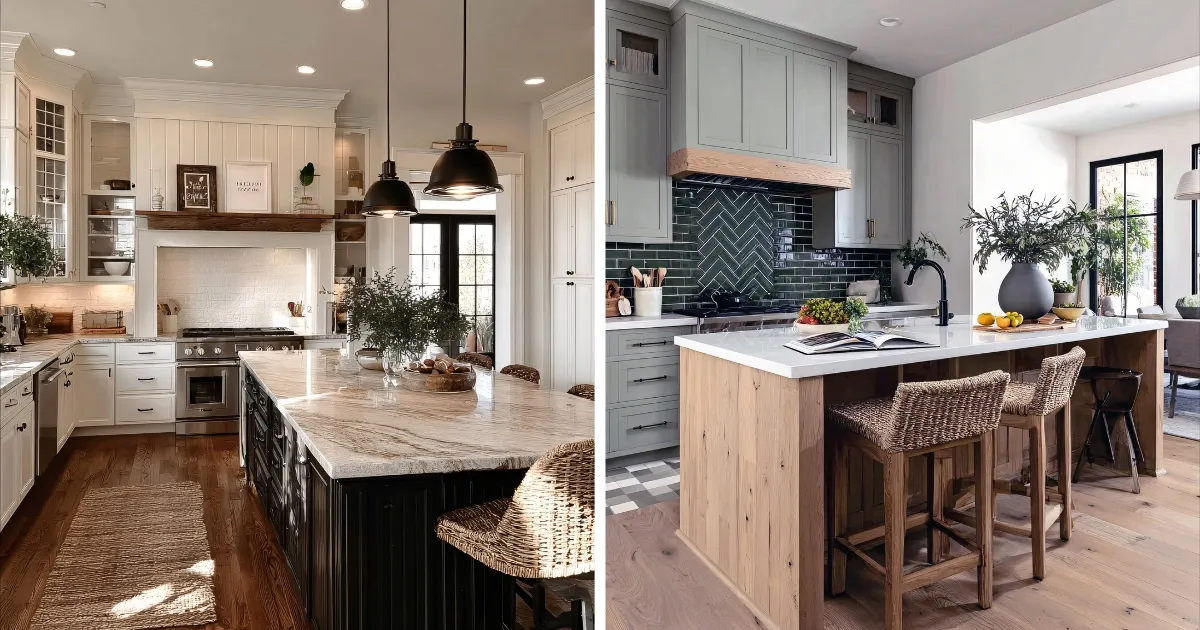
A kitchen bump-out extends your cooking area just enough to add storage, countertops, or seating. It is a cost-effective kitchen addition that maximizes your existing layout without major structural changes. By using durable construction materials and energy-efficient windows, you can create a bright, inviting space that connects easily to your dining area. Consider updating your HVAC system and electrical panel to handle new appliances efficiently.
2. Small Bedroom Extension
A bedroom addition is perfect for guests or growing families. Expanding into unused yard space creates comfort and privacy without changing your home’s footprint dramatically. Add waterproof laminate flooring for easy maintenance and comfort. Review zoning regulations and building permits to make sure your expansion aligns with local rules.
3. Bathroom Addition
Adding a primary bath or ensuite bath can make your daily routine easier and increase your home’s resale appeal. Include a double vanity and modern fixtures for both comfort and convenience. Choose construction materials that prevent moisture buildup and maintain long-lasting quality. A professional design-build team can help create the perfect layout for compact spaces.
4. Sunroom Addition
A sunroom addition brings the outdoors in, creating a bright retreat for reading or lounging. Large sliding-glass doors and energy-efficient windows let in natural light while maintaining indoor comfort. A gabled roof adds charm and improves airflow. This type of home addition can also serve as an outdoor living space during mild seasons.
5. Garage Conversion
Turning your garage into a livable area offers one of the most practical home addition ideas. A garage conversion can become an office, gym, or guest suite with proper insulation and HVAC tie-ins. You may need to modify the electrical panel to support lighting and climate control. Always review building codes before starting the project.
6. Attic Conversion
An attic conversion transforms unused upper space into a functional room, such as a studio or guest area. The roof pitch and roof lines influence the final home addition design and comfort of the space. Adding energy-efficient windows and upgraded insulation improves year-round comfort. Proper ventilation and inspection procedures provide safety and compliance.
7. Basement Finishing
A basement finishing project offers valuable square footage for entertainment, storage, or additional bedrooms. Good lighting, waterproof flooring, and safe HVAC tie-ins make it functional and cozy. Address moisture issues early with construction materials designed for basements. Always verify compliance with regional inspection offices.
8. Home Office Addition
A dedicated home office addition for work promotes productivity and peace of mind. Compact offices fit easily into unused corners or extensions. Include energy-efficient windows for natural light and reliable security solutions to protect your workspace. Modern offices can also integrate HVAC system updates for consistent comfort.
9. Mudroom Addition
A mudroom addition keeps your home organized by separating outdoor gear from living areas. It is especially useful in cold climates or busy households. Use waterproof laminate floors for easy cleanup and durability. Add sliding-glass doors or a stylish front entrance for better flow.
10. Laundry Room Addition
An efficient laundry room area can change how you manage daily chores. Install a stackable washer or dryer to save space. Consider energy-efficient windows and ventilation to prevent moisture buildup. For compliance, your site plan should include certified site plan documents for proper plumbing and electrical layout.
11. Outdoor Living Room
Expand your living space with a deck addition or patio. It creates a relaxing outdoor living space for entertaining or unwinding. Use weatherproof construction materials to provide durability. Lighting and built-in seating make it both functional and beautiful.
12. Dining Room Expansion
A dining room addition can make family gatherings feel more spacious and inviting. Incorporate sliding-glass doors to open the space visually. Upgrading your HVAC system helps maintain comfort in larger areas. Match finishes with your existing exterior work for a seamless look.
13. Second-Story Addition
A second-story addition increases living space without expanding your lot. It is ideal for growing families needing extra bedrooms or bathrooms. Work with a design-build team to manage the cost of construction and maintain the right roof pitch for stability. This type of house building often requires building permits and structural inspections.
14. In-Law Suite Addition
Adding an in-law suite promotes multi-generational living and enhances privacy for extended families. Include a compact ensuite bath and kitchen extension for convenience. A detached accessory dwelling unit can also serve this purpose while meeting zoning regulations. This modular addition can provide rental income or guest accommodation.
15. Walk-In Closet Addition
A walk-in closet adds comfort and organization to your primary bath or master suite. It provides a personal retreat for clothing and accessories. Use energy-efficient windows and smart storage systems for functionality. Review inspection procedures to verify code compliance.
What Design Tips Make Small Additions Feel Bigger?
Designing small spaces requires thoughtful planning and creativity. With the right layout, light, and furniture choices, even a compact home addition can feel open and airy. Here are some proven strategies to make every inch count.
Open Floor Layout
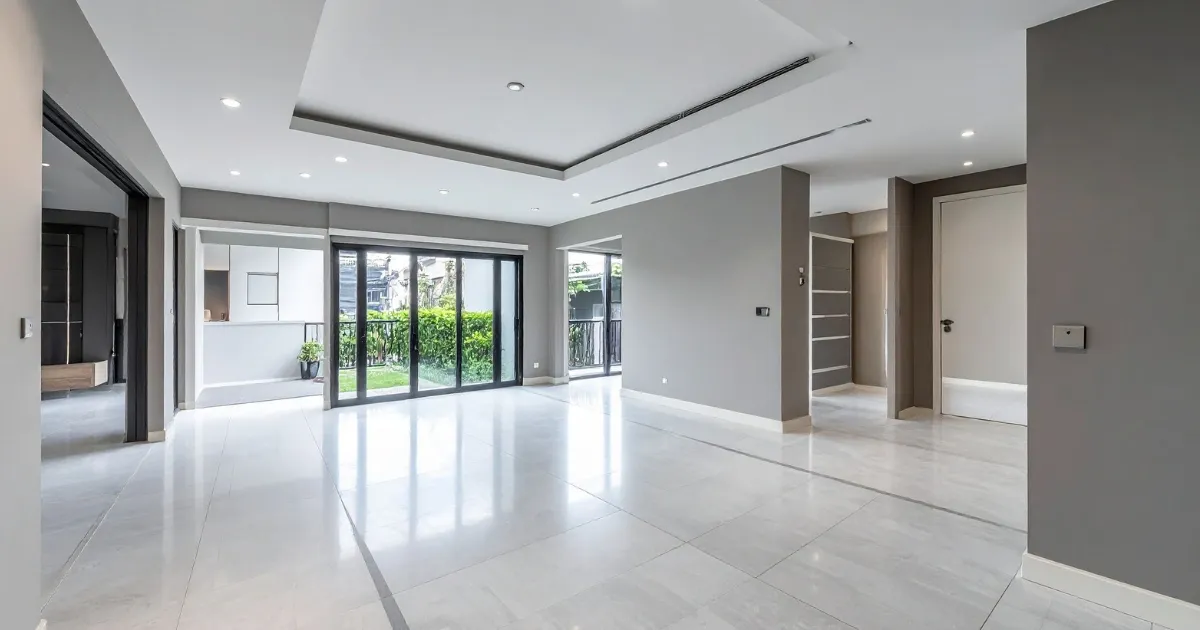
Removing unnecessary walls creates a more connected and spacious feel. An open layout encourages better light flow and flexible use of furniture. Keep sightlines clear and maintain cohesive flooring for continuity. It is one of the simplest ways to make a home addition feel naturally larger.
Natural Lighting
Energy-efficient windows and skylights brighten rooms without wasting energy. Use reflective surfaces to spread daylight across the space. This makes your room addition appear wider and more inviting. Natural lighting design also complements the materials used in your exterior work.
Multi-Purpose Furniture
Smart furniture choices add functionality without clutter. Use storage benches, fold-away desks, or convertible sofas to make compact rooms more efficient. These solutions are ideal for small house addition ideas that need flexibility. They help every area serve more than one purpose.
Read also: Home Addition Timeline: A Practical Guide for Homeowners
Frequently Asked Questions
How long does a small home addition take to complete?
A small home addition can take several weeks to a few months, depending on building permits, size, and construction materials. Factors like inspection procedures and weather can affect timelines. A professional contractor provides a detailed schedule before work begins.
Can small additions make my home more energy-efficient?
Yes. Using energy-efficient windows and upgraded insulation improves temperature control. Adding an HVAC system upgrade also helps reduce energy waste. These improvements make your home addition more sustainable over time.
What small home addition adds the most value?
Projects like a second-story addition or an in-law suite offer high returns. They expand living space and appeal to multi-generational living. A well-planned site plan brings compliance and long-term benefits.
What is the most cost-effective small home addition?
A kitchen bump-out or garage conversion is often budget-friendly. Both use existing structures, reducing the cost of construction. They deliver high function without requiring major exterior changes.
Wrapping Up
Expanding a small home can feel like unlocking hidden potential. Every square foot counts, and thoughtful home addition ideas can make a huge difference. From bright sunroom additions to practical garage conversions, each project blends creativity and function. Smart planning, quality construction materials, and compliance with building codes create results that last for years.
Before starting any project, review building permits, zoning regulations, and inspection procedures with professionals. Consult a design-build team to manage your cost of construction costs and secure approvals from regional inspection offices.
At Local Map Construction , we help homeowners bring their dream spaces to life. Call us today at 720-635-2941 to start your home addition journey with confidence and care.
Dreaming of more space without moving? These small house addition ideas can help you expand your home in creative, functional ways. From cozy walk-in closet to stylish sunroom additions, every upgrade can make daily living more comfortable and enjoyable. You don’t need a big footprint to make a big difference. With smart planning and the right design choices, even a compact home can feel open and inviting. When you open your kitchen, add a quiet office, or finish your basement, every home addition transforms the way you live. Let’s explore clever ways to add space beautifully and make your home feel brand new again.
Why is House Addition Popular for Small Houses Today?