Step Inside the Stages of Custom Home Building Today
Building a dream home starts long before the first brick is laid. Understanding the stages of custom home building helps homeowners see how each decision shapes the final result. From the first conversation with a builder to move-in day, every step matters. This process combines design, craftsmanship, and project management to bring a vision to life. Knowing what happens behind the scenes helps homeowners stay informed, confident, and excited as their ideas turn into a real home.
What Is a Custom Home Building?
A custom home building project gives homeowners the freedom to create a space that reflects their lifestyle and taste. Unlike pre-designed houses, custom homes start with blank home design plans crafted to fit the family’s daily needs. Every choice, from the floor plan layout to the interior design finishes, is made with personal input. The construction process involves close collaboration with a home builder, maintaining every detail feels intentional. It’s a creative partnership where ideas evolve into a one-of-a-kind home built from the ground up.
What Are the Main Stages of Custom Home Building?
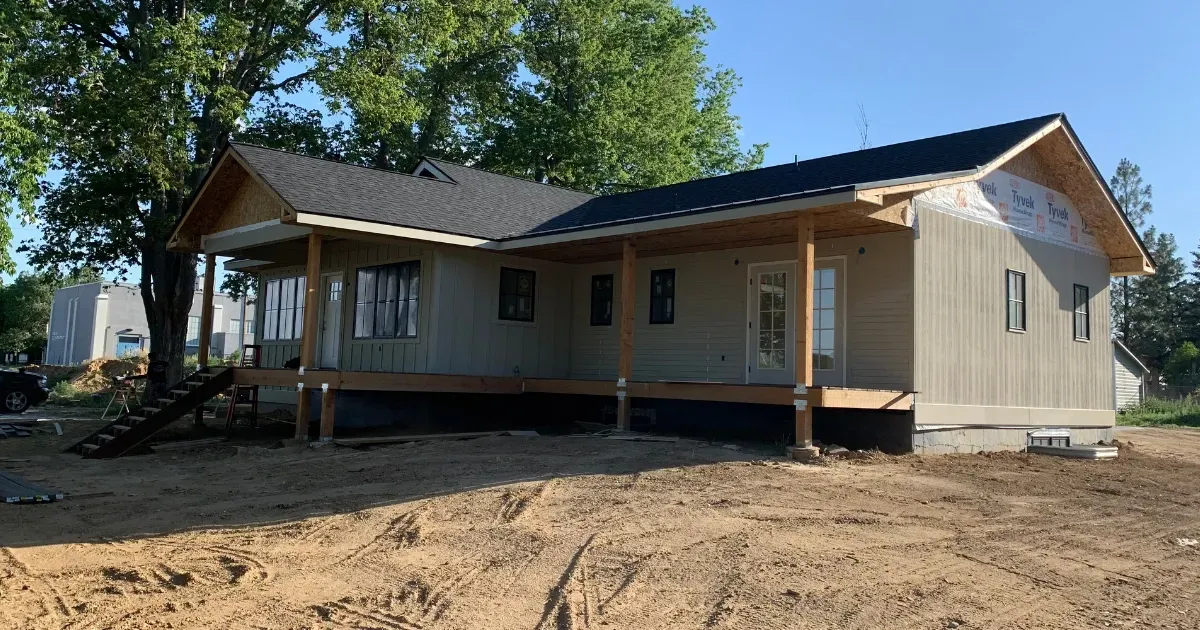
The home building process includes several stages that turn an idea into a finished home. Each phase builds on the last, balancing creativity, coordination, and craftsmanship. Understanding the following steps helps homeowners stay on track and appreciate the progress made along the way.
1. Initial Consultation
The first step in building a custom home starts with a conversation about goals, vision, and lifestyle. Homeowners meet with a general contractor or design-build team to discuss ideas and preferences. This stage sets expectations for design, size, and budget. Open communication builds trust and forms the foundation for a smooth custom home-building process.
2. Budget Planning
Budgeting outlines what can be achieved within the available funds. It covers construction costs, land costs, and finishes while considering possible change orders. Homeowners also explore home financing options such as a construction loan. Proper planning early helps avoid overspending and keeps the project realistic.
3. Design and Floor Plans
Once the budget is clear, the home design and floor plan take shape. Architects and designers transform ideas into detailed custom home designs that reflect how the space will function. This phase also includes choices for interior design elements and home design plans. Collaboration makes sure the design aligns with the family’s needs and vision.
4. Permits and Approvals
Before construction starts, all required building permits and zoning ordinances must be approved. This step makes sure the project meets local building codes and environmental guidelines. It may include an electrical permit, plumbing permit, or other clearances from the city inspector. Securing these documents protects the project from delays and legal issues.
5. Site Preparation and Foundation
Next comes site preparation, which includes site clearing and site excavation. Crews level the raw land, remove debris, and prepare for foundation work. The team installs steel rods for strength, followed by a foundation pour for concrete foundation, slab foundations, or basement foundations. Proper groundwork guarantees the home stands on a solid base.
6. Framing and Roofing
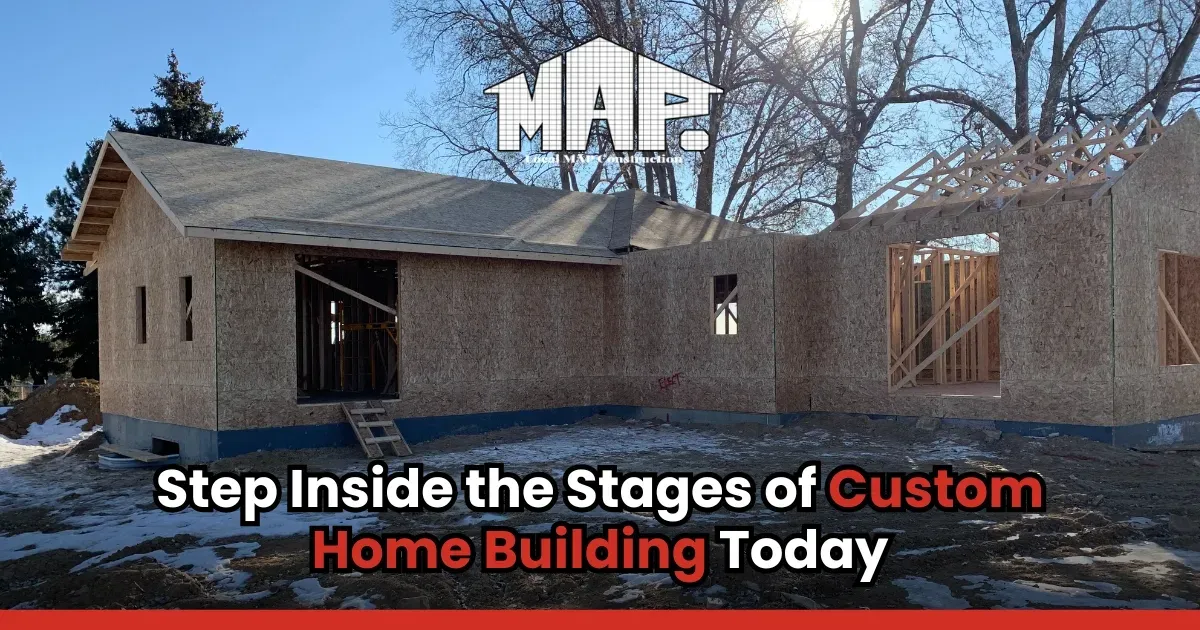
In the framing phase, builders construct the skeleton of the house using beams and floor joists. Walls, floors, and the roof are framed to form the home’s structure. The exterior work continues with roofing materials and house wrap to protect against the weather. This stage makes the design start to look like a real home.
7. Plumbing, Electrical, and HVAC
After framing, licensed technicians install pipes, wires, and ducts. This stage includes setting up water taps, plumbing fixtures, and the HVAC system. All work must pass inspection according to building codes and safety standards. Once approved, insulation and a waterproofing membrane or waterproofing substance are added for durability.
8. Interior Finishes and Fixtures
This step focuses on interior millwork, cabinetry, flooring, and ceramic tile installation. Painters, electricians, and designers refine each space to match the homeowner’s vision. The exterior siding and final interior design touches give the home its personality. Solar-ready wiring for solar panels may also be added for future energy efficiency.
9. Final Walkthrough and Move-In
Before moving in, a final walk-through and quality inspection take place. The punch list highlights any small fixes that need attention before completion. Once the certificate of occupancy is issued, homeowners can celebrate move-in day. This moment marks the end of the home construction journey and the start of living in a dream home.
What Should Homeowners Expect During the Building Process?
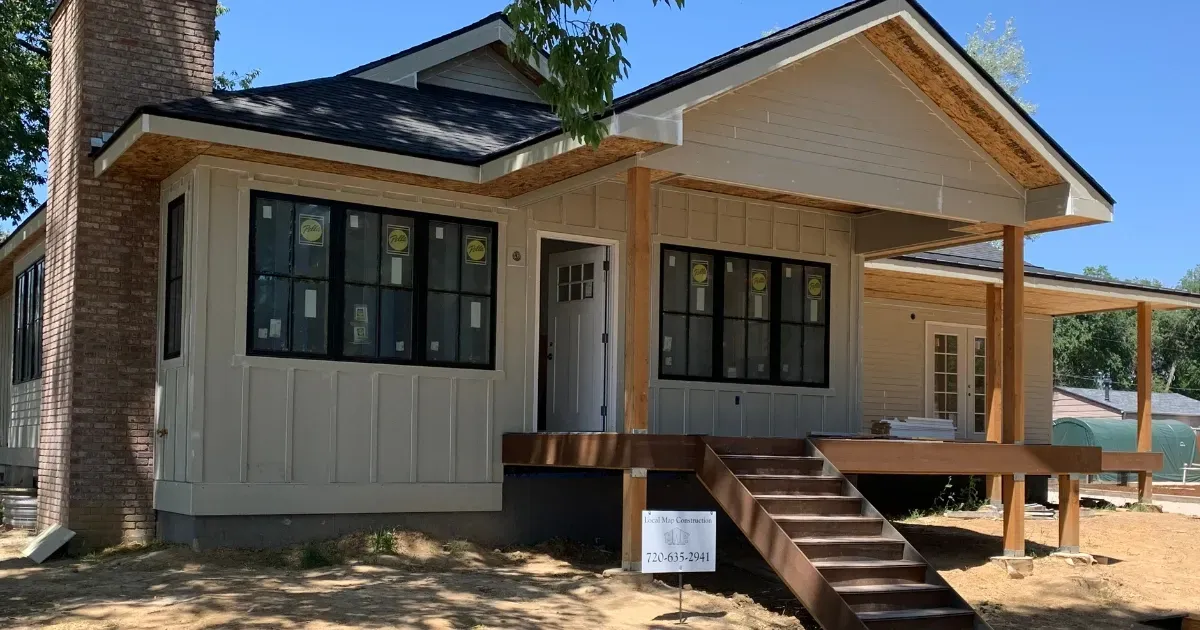
Building a custom home can bring both excitement and challenges. From coordination to decision-making, homeowners play a vital role. Knowing what to expect can help them handle the ups and downs of construction with confidence.
Builder Communication
Open communication with the home builder keeps everyone aligned. Regular updates about the construction process and project management milestones help avoid confusion. Homeowners should feel comfortable asking questions and voicing concerns. A good builder values customer satisfaction and keeps clients informed every step of the way.
Project Decisions
Throughout the project, homeowners make design and material choices. These may involve home design, finishes, or layout changes that require change orders. Each decision affects the budget and timeline. It’s important to review all options carefully. Working closely with the design-build team simplifies the decision-making process.
Handling Delays
Delays may occur due to weather, supply issues, or inspection schedules. Understanding that these challenges are normal reduces stress during the home construction phase. A proactive builder communicates solutions and adjusts the timeline as needed. Patience and flexibility help maintain progress and keep the project moving forward.
How Can You Prepare for a Smooth Custom Home Build?
Preparation is vital for a seamless experience. Start by defining your goals and setting a realistic budget for building a custom home. Research local builders with experience in custom home building and a strong reputation for project management. Review their past custom homes and visit job sites to check quality. Stay engaged throughout the process to make informed decisions and enjoy every stage of watching your dream home come to life.
Read also: Custom Home Building Timeline: A Simple Guide for First-Time Builders
Frequently Asked Questions
How long does it take to build a custom home from start to finish?
A custom home usually takes 10 to 18 months to complete. The timeline depends on construction costs, weather, and design complexity. Proper planning with your home builder helps avoid unnecessary delays.
How much does a custom home cost per square foot?
The cost per square foot varies based on home design, location, and materials. Factors like foundation work and interior design choices affect pricing. Always include a contingency fund for unexpected expenses.
Can I change the design after construction has started?
Yes. But changes may require change orders, which can impact construction costs and schedules. It’s best to finalize your home design plans before breaking ground. Discuss every change carefully with your builder.
What’s the difference between a custom home and a production home?
A custom home is built from unique custom home designs, while production homes use preset layouts. Custom builds offer full creative control over floor plan and finishes. Production homes are faster to complete but less personalized.
How do I prepare my budget for custom home building?
Start by meeting with a general contractor to estimate construction costs and land costs. Include expenses for building permits, inspections, and interior finishes. Planning early helps avoid surprises and supports a smoother construction process.
Wrapping Up
Every custom home building process is a journey filled with creativity, decisions, and a shared vision. From site preparation to the final walk-through, each phase reflects the homeowner’s dream and the builder’s craftsmanship. The construction process may come with challenges, but the result is worth every effort because it is your home, built exactly the way you imagined.
At
Local Map Construction, the team brings passion and precision to every project, helping clients through each stage with clear communication and reliable craftsmanship. To start your own custom home journey, call us at 720-635-2941 today.